


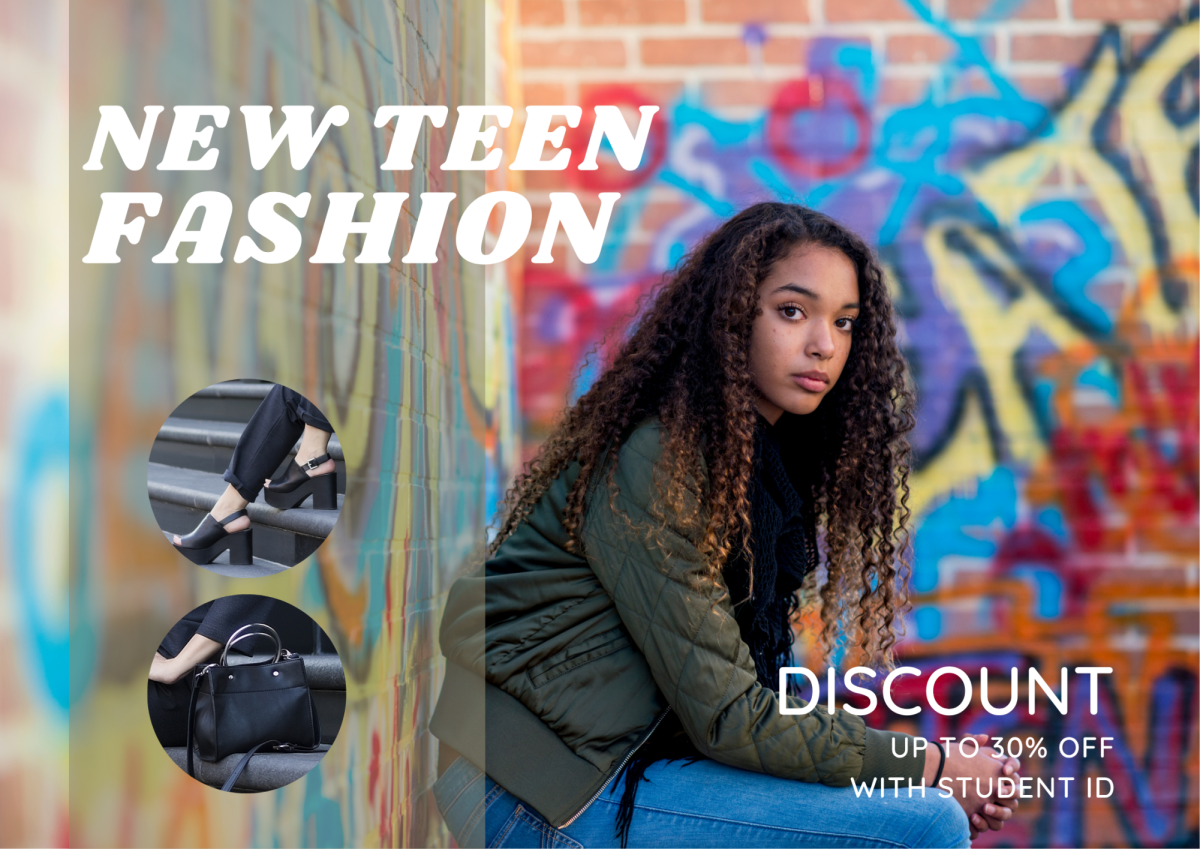
In today’s society, advertising has become an integral part of everyday life. Teenagers can see advertisements on the streets, hear them on the radio, and watch them on their phones or TVs. Advertisements now appear in an even wider variety of formats, such as on social media platforms, online shopping websites, and in video games. Every year, advertising techniques become more advanced, and advertisers use increasingly powerful strategies to influence consumer behavior. This is especially true for teenagers, who are often more impulsive, emotionally sensitive, and likely to make decisions without fully considering the consequences.
Social media platforms such as Instagram, TikTok, and YouTube constantly display advertisements, sponsored content, and influencer recommendations. Unlike traditional advertisements on television or posters, modern advertising is often integrated into entertainment content, making it less obvious and more persuasive. Many teenagers spend several hours on social media every day. During this time, they are repeatedly exposed to products promoted by influencers, celebrities, and brands. Marketing strategies often encourage purchases through limited-time offers, discounts, and personalized advertisements.
Advertising can have both positive and negative effects on teenagers. On the positive side, advertising helps teenagers learn about new products and services. It provides useful information about items for everyday use. It also supports businesses and promotes competition, giving customers more choices in terms of price and style. However, advertising can also have negative effects. Many advertisements use psychological tactics to influence consumer behavior. For example, companies often employ celebrities and influencers to increase a product’s appeal. They may also create a sense of urgency through slogans such as “limited-time offer” or “only a few left.” These strategies can trigger impulse buying, leading teenagers to purchase products they do not really need. Moreover, social media advertisements may lead teenagers to believe that owning certain products represents their identity or helps them stay up to date with trends. This can result in unnecessary spending.
To better understand how advertising affects teenagers, I conducted a survey of 25 students aged 13 to 18. The results showed that 82% of participants spent more than three hours on social media every day, and 81% reported seeing advertisements frequently while using social media platforms. In addition, 69% of respondents had purchased a product at least once because of an advertisement. When asked which type of advertisement was most attractive to them, 41% chose influencer recommendations, 27% chose attractive packaging, and 18% chose discounts and promotions. The survey also showed that seeing “large discounts” and “positive reviews” made teenagers more likely to make a purchase, indicating that psychological marketing techniques are highly effective.
Many students also reported feeling regret after purchasing products because of advertisements. Some participants commented, “The product doesn’t work as well on my skin as it did on the person who recommended it.” Others said, “The product was not as good as I expected,” and “I bought a skincare product because the advertisement made it look amazing, but it turned out to be completely useless.”
In a face-to-face interview, Zihan explained that she saw many influencers on social media recommending and using the DJI Pocket 3 camera. Even though it was expensive, she decided to buy it. However, she later realized that she rarely used it. Another student, Angel, said that she often sees livestream hosts on TikTok repeatedly saying things such as, “Today is the last day of the discount—tomorrow the price will return to normal,” and “This is our final batch of stock. Once it’s sold out today, there won’t be any more available.” However, after rushing to make a purchase, she found that the next time she visited the livestream, the seller was saying exactly the same thing and offering the product at the same price.
There are several ways to reduce the negative impact of advertising on teenagers. First, schools should provide media literacy education so that students can better understand how advertising uses psychological techniques to influence consumers. Second, parents should encourage teenagers to think carefully before purchasing products and avoid impulse buying. Third, teenagers should develop the habit of asking themselves whether they truly need a product before making a purchase and learn to recognize common advertising tactics.
In conclusion, many teenagers recognize the negative effects of advertising but still fall for various marketing strategies and are influenced by celebrities, influencers, and popular brands. The survey results and real-life examples show that many teenagers are affected by these techniques. By increasing teenagers’ awareness of advertising and marketing tactics, they can make more informed and responsible purchasing decisions.