

Dear Students,
Welcome to Media, Politics and Communication, a department within Social Sciences at Nakornpayap International School.
These are courses that put you in the middle of the action. You will spend less time at a desk memorizing and more time creating. Write, film, photograph, speak, direct, edit, act, argue, curate, and collaborate — then watch your work go live on the Stallion Chronicle, YouTube, Instagram, and in front of real audiences.
I created this series of courses to give students a strong university pathway toward majors such as journalism, political science, sociology, public relations, and communications and to make sure that students headed in any direction have the opportunity to build real experience in project-based work and collaboration. With the exception of AP Comparative Government, these courses ask students to create work that goes beyond the classroom by publishing news, social media, and entertainment media for real audiences while also studying the theory, craft, and technology behind it. There is room for everyone here, as long as you have a desire to learn, create, publish, and support your classmates.
Please feel free to come see me at any point in the course selection process to discuss the courses listed below in greater detail. I look forward very much to seeing you in one of my classes in 2026–27.
Sincerely,
Mr. Jack
Journalism – This course introduces students to the principles and practices of modern journalism through writing, photography, interviewing, and broadcast storytelling. Students develop practical skills in news reporting, feature writing, visual journalism, and multimedia production while learning how to research topics, conduct interviews, verify information, and communicate effectively with diverse audiences. Emphasizing ethical journalism, creativity, and real-world storytelling, the course provides students with authentic publishing experiences through contributions to The Stallion Chronicle (nisjournalism.com) and school social media platforms, allowing students to produce and share meaningful content for real audiences.
Digital Media Production – This course introduces students to the complete digital media production pipeline, including camera operation, lighting, audio recording, green screen production, editing, and post-production techniques. Students explore the creative and technical aspects of producing professional-quality digital content while developing collaborative production skills and media literacy. The course emphasizes hands-on creation using industry-standard tools and workflows while encouraging creativity, problem-solving, and teamwork throughout the production process. Due to the collaborative and project-based nature of the course, students should be prepared to work closely with others, commit significant time to both pre-production planning and post-production editing, and maintain consistent attendance to support group projects and production schedules. Emphasizing ethical journalism, creativity, and real-world storytelling, the course provides students with authentic publishing experiences through contributions to The Stallion Chronicle (nisjournalism.com) and school social media platforms, allowing students to produce and share meaningful content for real audiences.
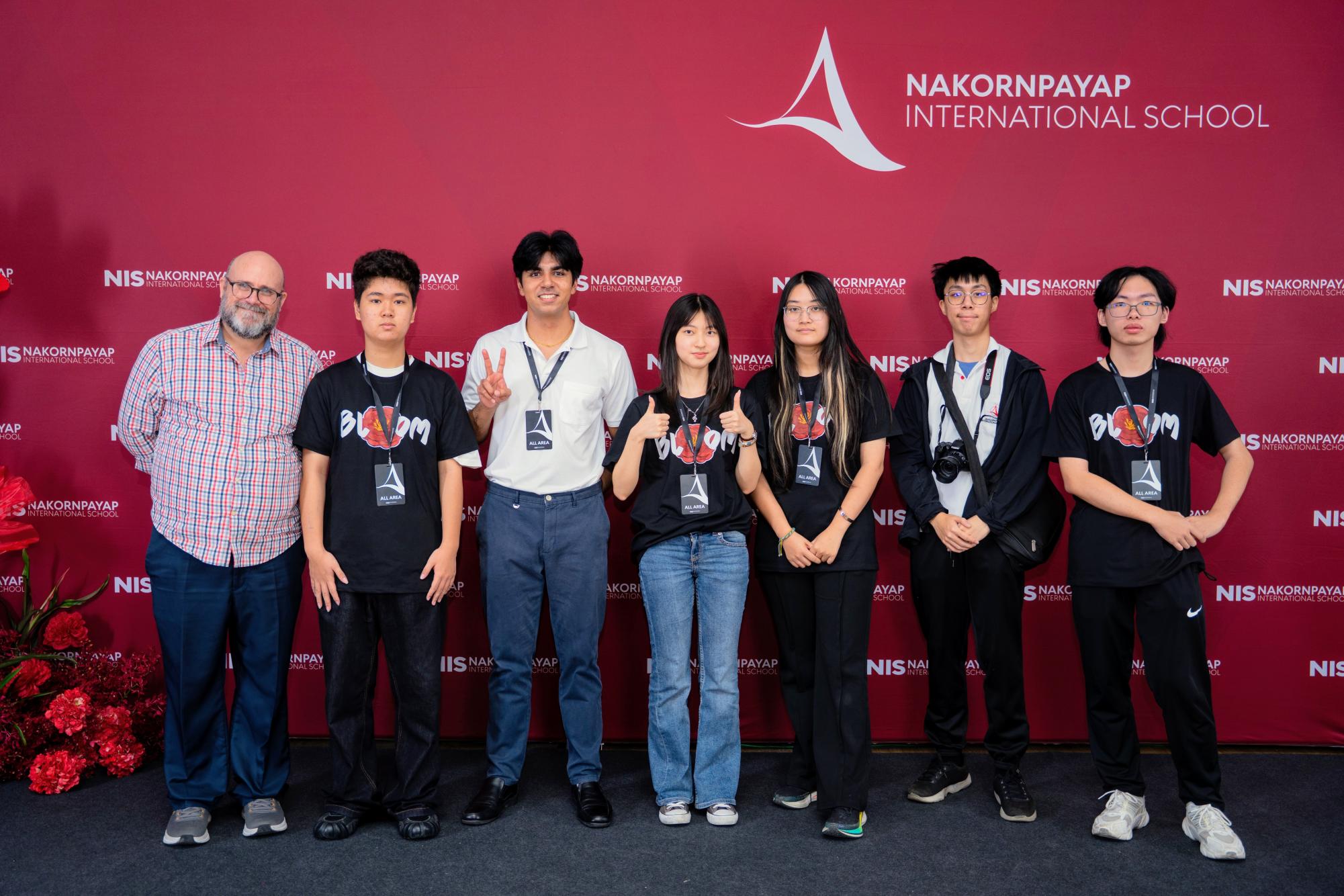
Public Communication and Performance – This course provides students with a dynamic, practicum-based environment where communication theory is brought to life through media production, performance, storytelling, and presentation. Blending elements of digital media, theater, public speaking, and creative expression, students learn to communicate ideas with clarity, confidence, authenticity, and impact across a variety of real-world contexts. Students explore voice, body language, audience engagement, visual storytelling, improvisation, stage presence, and persuasive messaging while developing skills in both live and recorded communication formats. Through hands-on projects and collaborative creative experiences, the course emphasizes adaptability, self-expression, creativity, and meaningful audience connection, helping students become confident and versatile communicators in academic, professional, and creative settings.
Senior Capstone Project –This course provides students with a professional environment to pursue self-directed, interdisciplinary projects that align with their personal interests, academic goals, or community impact initiatives. Students design, manage, and complete substantial projects, focusing on project planning, research, implementation, and reflection. The course emphasizes the use of digital media and production tools where appropriate, guiding students through every phase of the project cycle, from concept to professional presentation. Students will engage in activities such as documentary filmmaking, digital advocacy or marketing campaigns, product or service development, and large-scale initiatives like Project Symbiosis, culminating in research documentation and final presentations or exhibitions.
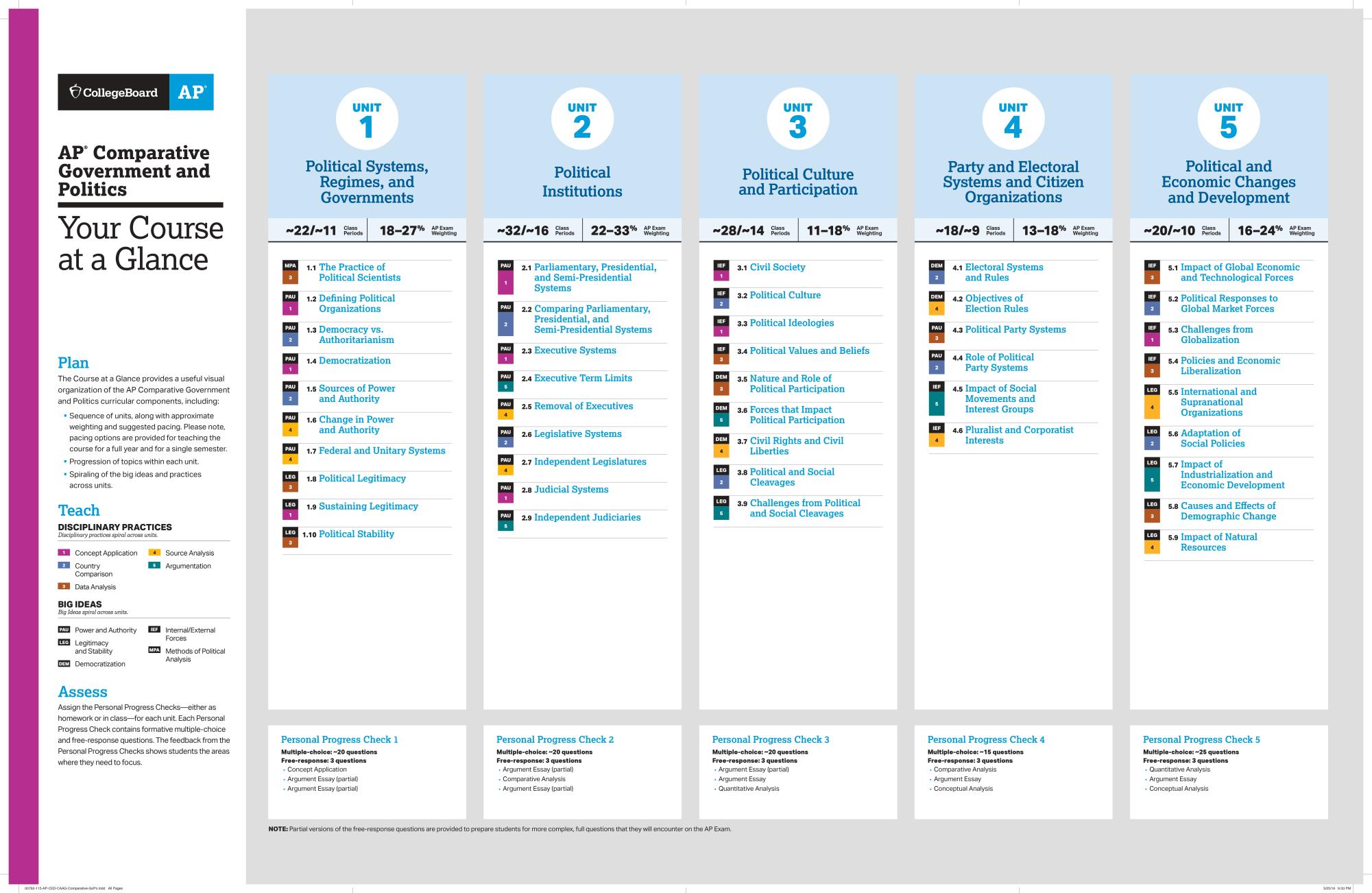
AP Comparative Government – This course reflects what comparative political science teachers, professors, and researchers agree that a college-level comparative government and politics course should teach students to do: define and describe major political concepts, analyze patterns of political processes and behavior and their consequences, and compare and contrast political institutions and processes across countries. Students will show mastery of these skills on the AP Exam through various means, including applying concepts, analyzing data, comparing countries, and writing political science arguments. Students study six countries in AP Comparative Government and Politics: China, Iran, Mexico, Nigeria, Russia, and the United Kingdom.