


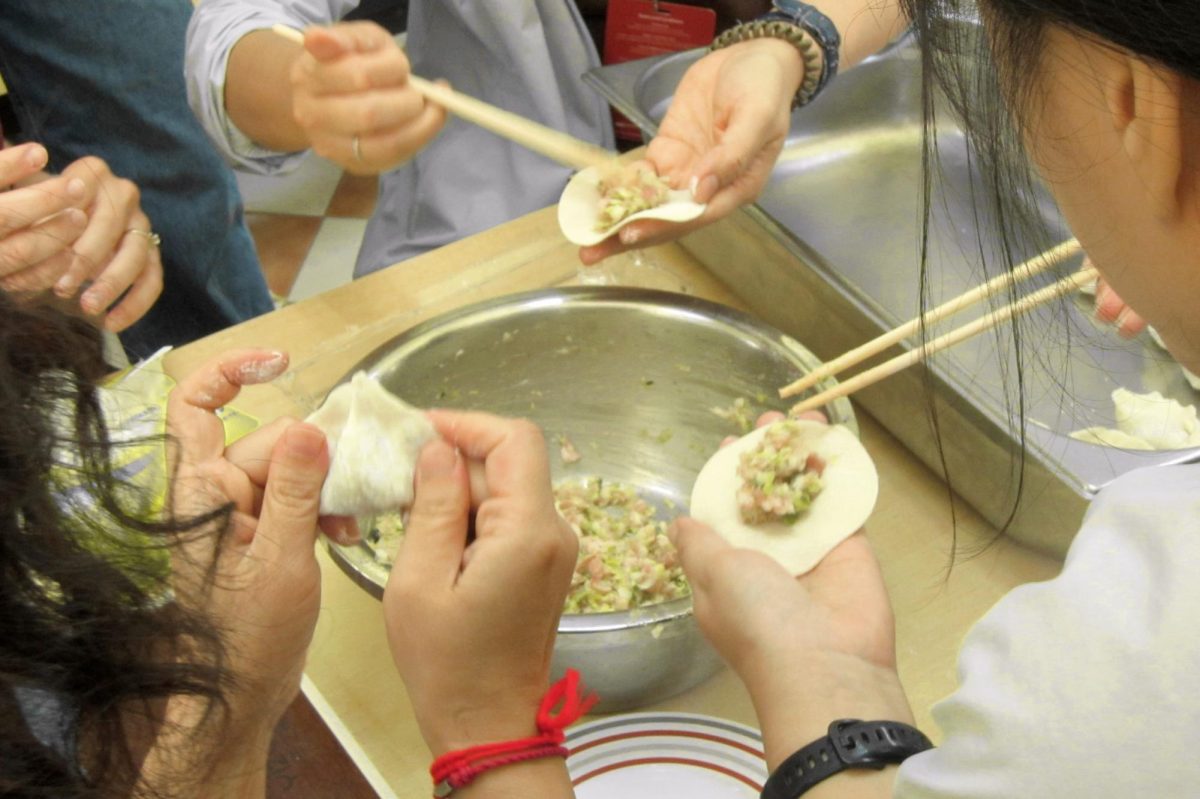
On February 26 and 27, 2026, parents from different cultural backgrounds gathered at NIS elementary canteen at NIS to take part in the Chinese New Year dumpling-making activity. They eventually made about 3,000 dumplings for the entire NIS community.
The Chinese New Year dumpling-making activity was organized by the PTSA and participated with parents from all over the world, including: China, France, America, and Thailand. Due to the large amount of demand for the dumplings, the main activity was divided into two days, filling preparation on the first day and dumpling wrapping on the second day. Through this well-organized activity, parents not only work together to celebrate Chinese New Year, but also share dumpling-making skills, promote traditional cultures, and build bridges with the school community.

Organization & Early preparation
What’s behind the two-day dumpling-making activity is nearly a month of preparation. According to a PTSA member, who took the main part in organizing this event, the entire plan began several months before, they started by looking for volunteers, and grouping them based on their ability and strengths.
After gathering enough volunteers, they also held two meetings before the event to ensure the plans in detail and the dumpling quality. The first meeting was focused on the overall plan, including filling options and dividing the work. While the second meeting was more like an experiment trail, they purchased dumpling wrappers and prepared various filling samples to test each flavor and adjust the proportion of ingredients for the best taste. In addition, parents also compared different dumpling wrapper suppliers to ensure both taste and quality are all good enough.
Then, they determined the final recipe, and made a shopping list, which included: cabbage, minced pork, mushrooms, onion, ginger, spices, and dumpling wrappers. Finally, the purchases were done successfully with the help from Thai parents. Furthermore, according to one of the PTSA members, the total budget for this event was approximately 20,000 baht, funded by the PTSA.

First Day
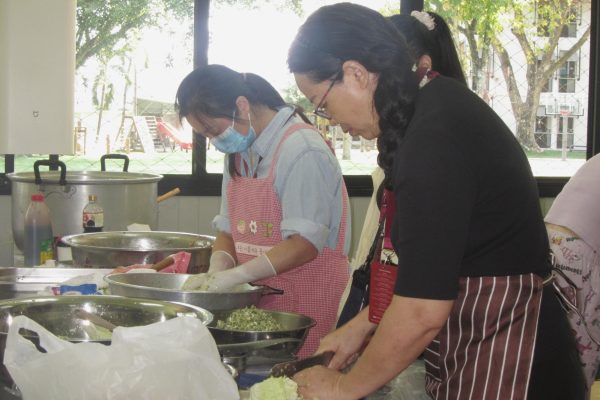
At 8.30 a.m., February 26, Parents gathered in the elementary canteen to prepare for the dumpling fillings. The entire canteen was lively and crowded, filled with a Chinese New Year atmosphere and the aroma from the spice oil. Volunteers were assigned different tasks to improve efficiency. Most parents were responsible for washing, chopping and boiling the cabbage, while others worked hard on defrosting the minced pork, as well as a smaller group of parents handled frying the spice oil for the fillings.
Among all those tasks, one of the most tiring tasks was squeezing the boiled cabbages. Its purpose is to remove excess water inside the vegetables to prevent the dumplings from becoming too soggy after cooking. This work was assigned to male volunteers, including Mr. Ben.
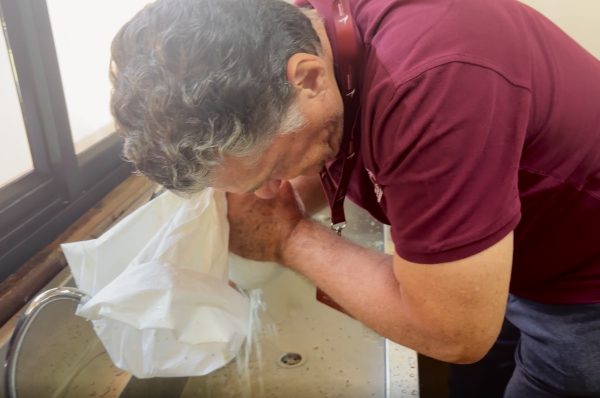
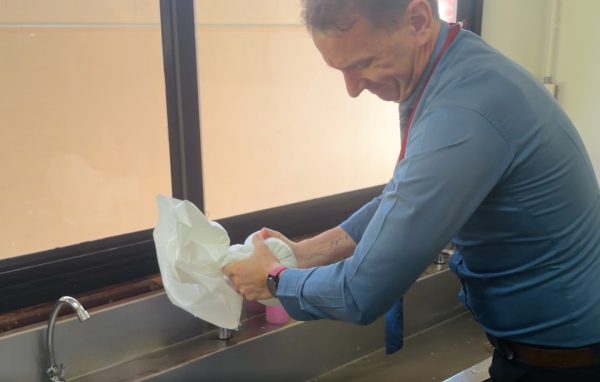
Eventually, Parents prepared two types of fillings on that day. One was the traditional pork and cabbage filling, which is the most common dumpling fillings in China; and the other one was cabbage and mushroom filling, with only vegetables in it, specifically prepared for the Muslims and vegetarians.
Second Day
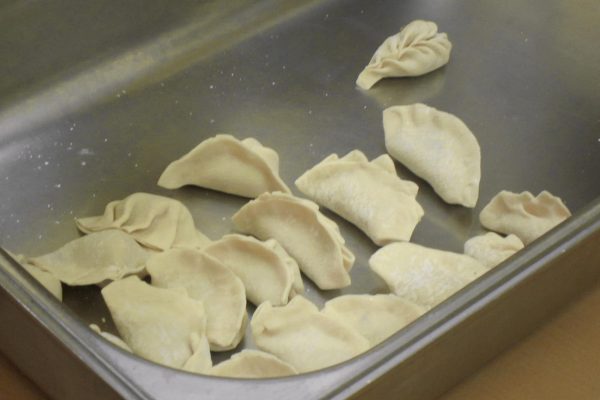
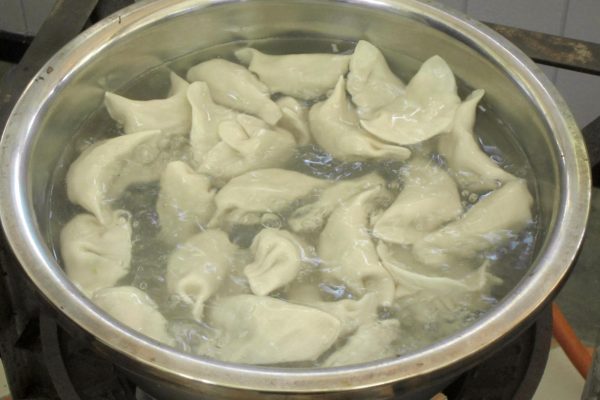
On February 27th, parents prepared over 3,000 dumplings in total. Parents from various regions of China showed different dumpling making skills, such as the willow lead shape and the traditional yuanbao shape which represents wealth and good luck. Also, parents from other countries learned those skills and shared their own experiences.

Cultural Meaning
Beyond the activity, the act of making dumplings itself is very meaningful. In Chinese culture, dumplings are a symbol of food during the Chinese New Year. Their shape comes from the yuanbao, which represents wealth, good fortune and wishes in the coming year. Furthermore, the tradition of making dumplings normally involves the entire family, providing an opportunity for families to gather together and communicate with each other. At NIS, this tradition extends from the family to the whole school community. Parents from various cultural backgrounds come together, learning and sharing experiences with each other.’
In addition, the event also cares about vegetarians and Muslims. Parents preserve the traditions while respecting different needs from the NIS community.
Through the hard work from all parents volunteers, the Chinese New Year dumpling-making activity is eventually done successfully. Overall, this event is not only a simple dumpling workshop, but also a platform for cultural exchange and learning.